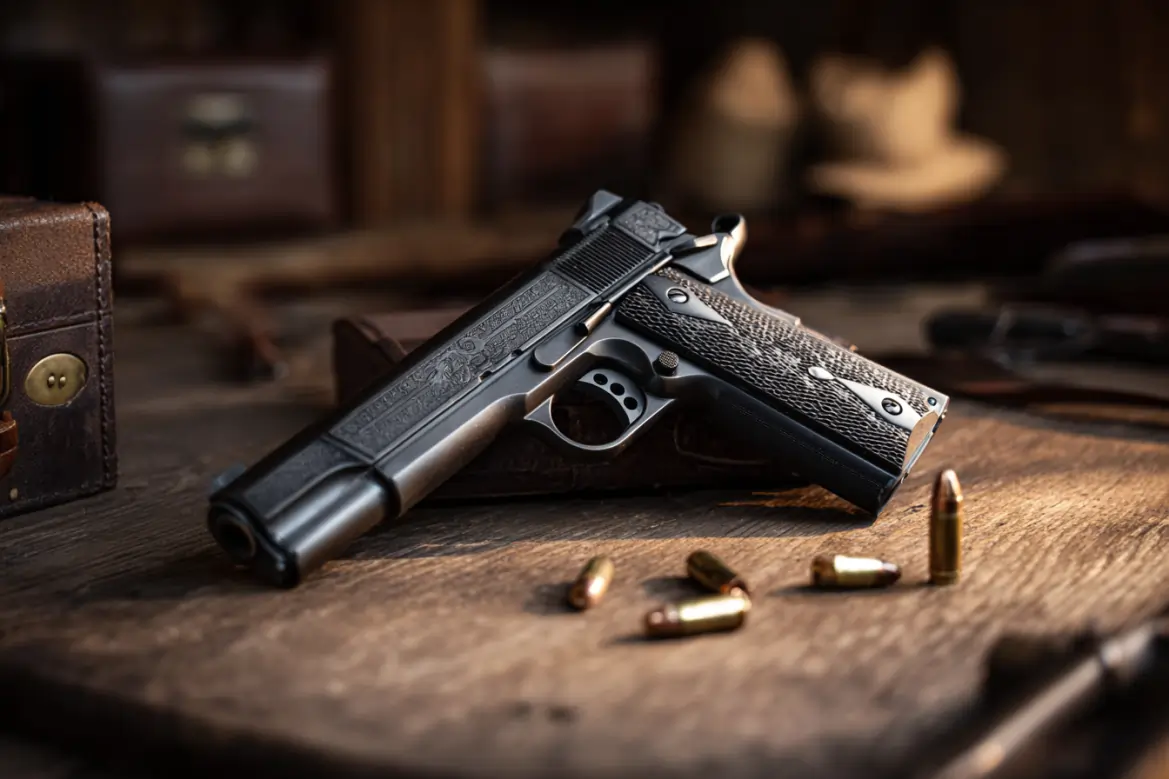
Best Gun Shop Norfolk – Norfolk Gun Store & Firearms, Buy Guns, Gunsmith

Best Gun Shop Norfolk – Norfolk Gun Store & Firearms, Buy Guns, Gunsmith

Gun Dealer Norfolk: Everything You Need to Know About Permits to Purchase or Transfer Firearms

gun store norfolkPurchasing or transferring a firearm is a process regulated by state and federal laws, and understanding these regulations is essential to ensure compliance. Whether you’re a first-time buyer or transferring ownership, obtaining the necessary permits and adhering to the applicable requirements is critical.

What Is a Permit to Purchase or Transfer?

A permit to purchase or transfer is an official authorization required in many jurisdictions for individuals who want to buy, sell, or transfer ownership of firearms. This permit helps regulate firearm transactions while ensuring that responsible individuals gain access.

Key purposes of the permit include:
Promoting Safety: Ensures that firearms are handled by individuals who meet legal and safety standards.
Preventing Illegal Access: Reduces the chances of firearms falling into the hands of prohibited persons.
Supporting Accountability: Creates a traceable record of ownership transfers.

Who Needs a Permit?

Permit requirements vary depending on your state or country. Generally:
1. First-Time Buyers: Most states require first-time buyers to obtain a permit before purchasing firearms.
2. Private Sellers: In some jurisdictions, private sellers are required to verify that buyers hold valid permits before transferring ownership.
3. Licensed Dealers: Federal law mandates licensed firearm dealers (FFLs) conduct background checks on purchasers through the National Instant Criminal Background Check System (NICS).

Always check your local laws, as some states exempt certain firearm types (e.g., antiques) from permit requirements.

Steps for Obtaining a Permit

Step Description Notes
1 Complete Application Available online or at local offices depending on your jurisdiction
2 Submit Identification Provide proof of residency and government-issued identification
3 Background Check Criminal history and mental health status are reviewed
4 Training Requirements (if applicable) Some states require completion of firearm safety courses
5 Await Decision Processing times may vary from days to weeks

Permit Validity and Renewal

Once issued, permits typically have an expiration date and need renewal before they lapse. This ensures continued compliance with legal requirements over time.

  • Validity Period: Commonly ranges between 1-5 years based on state laws.
  • Submit renewal applications before expiration.
  • Complete any updated training if mandated by law.
  • Pay applicable fees.

Special Considerations for Transfers

  • Ensure both parties meet eligibility criteria under state/federal laws.
  • Use licensed dealers for background checks when required.
  • Record details like serial numbers and transaction dates for personal documentation.

Understanding these elements helps gun owners navigate their responsibilities efficiently while fostering safer communities through lawful practices.

How to Find a Licensed Gun Shop Norfolk for Firearm Sales and Ownership

Obtaining the proper license for firearm sales or ownership is a critical step in ensuring compliance with federal, state, and local laws. Whether you’re an individual seeking to legally own firearms or a business planning to sell them, understanding the licensing process is essential. Below is a comprehensive guide to help you navigate this process effectively.

Understanding the Types of Licenses at a Gun Store Norfolk

  • Required for individuals or businesses engaged in the sale, manufacture, or import of firearms.
  • Issued by the Bureau of Alcohol, Tobacco, Firearms and Explosives (ATF).
    1. Type 01: For dealers in firearms.
    2. Type 02: For pawnbrokers dealing with firearms.
    3. Type 07: For manufacturers of firearms and ammunition.
  • Needed by individuals who wish to carry a concealed firearm.
  • Typically issued by your local law enforcement agency but requirements vary by state.
  • Many states require additional permits or licenses for firearm ownership or sales. These can include purchase permits, dealer licenses, and more.

How to Buy Guns in Norfolk and Obtain an FFL

Hadar Firearms
84717 554th Ave, Norfolk, NE 68701
+14023021170
https://hadarfirearms.com

  1. Be at least 21 years old.
  2. Have no felony convictions or other legal disqualifications related to firearms.
  3. This form is required for all initial FFL applications.
  4. Provide accurate details about the nature of your business and proposed premises.
  5. Pay the Application Fee:
    | License Type | Fee Amount (2023) | Renewal Frequency | |————–|——————-|——————-| | Dealer | $200 | Every 3 years | | Manufacturer | $150 | Annually |
  6. Submit Application & Background Check:
    The ATF will perform an extensive background check on all applicants to ensure compliance with federal laws.
  7. Inspection:
    An ATF compliance agent may inspect your intended premises to verify adherence to regulations such as proper record-keeping storage practices.
  8. Approval Process:
    If approved, you’ll receive your FFL certificate within approximately two months.

State-Level Licensing Requirements

  • Some states mandate background checks even for private sales.
  • A few states like California and New York have stricter licensing procedures requiring additional documentation such as safety certificates or waiting periods.

Resources for Assistance

  • Utilize online tools provided by the ATF’s website for detailed instructions on completing forms and understanding compliance guidelines.
  • Contact your state’s Department of Justice (DOJ) office which often manages local gun-related licenses.
  • Consult with legal experts specializing in firearm laws if you’re unsure about any part of the process.

Securing the correct license not only ensures compliance but also upholds responsible practices around gun ownership and commerce. By understanding these requirements thoroughly, you contribute meaningfully toward promoting safety within this regulated industry while protecting yourself legally from potential liabilities.

Understanding the Importance of Disclaimers in Gun Store Transactions

Disclaimers play a critical role in gun store transactions, providing clarity, transparency, and legal protection for both buyers and sellers. These statements help ensure that all parties involved understand their rights, responsibilities, and the scope of the transaction. Whether you are new to firearm ownership or an experienced enthusiast, understanding disclaimers is essential to avoid potential misunderstandings or legal complications.

Why Disclaimers Matter in Gun Store Transactions

  • Legal Compliance: Many regions require gun stores to include specific disclaimers to comply with state or federal laws.
  • Liability Protection: Disclaimers protect gun store owners from being held liable for misuse of firearms by customers after purchase.
  • Buyer Awareness: They inform customers about their responsibilities, including safe handling, storage, and adherence to local firearm regulations.
  • Regulatory Clarity: Disclaimers provide clear information on what the store can and cannot do—such as background checks or firearm transfers.

By addressing these aspects, disclaimers establish a transparent and straightforward transaction process.

Common Elements Found in Gun Store Disclaimers

  1. Background Check Policy
    A statement explaining that all firearm sales are subject to background checks in compliance with local or federal laws.
  2. Transfer of Ownership Details
    Information on how ownership transfers occur following a purchase—including any waiting periods required by law.
  3. Legal Responsibilities of Buyers
    Warnings about the buyer’s responsibility to follow all applicable laws regarding firearm storage, transport, and usage.
  4. No Liability for Misuse
    A disclaimer stating that the seller is not responsible for improper or unlawful use of firearms purchased from the store.
  5. Returns and Refund Policies
    Clear terms regarding whether firearms or ammunition purchases can be returned—and under what conditions.
  6. Delivery and Shipping Restrictions
    Notes on limitations related to shipping firearms across state lines or internationally.

Sample Disclaimer Table

Disclaimer Type Example Language
Background Checks “All firearm sales require background checks as mandated by law.”
Buyer Responsibility “It is your responsibility to comply with all local, state, and federal regulations.”
No Liability “The seller assumes no responsibility for misuse of products purchased.”
Transfer Details “Firearms will not be transferred until all requirements under XYZ Law are met.”
Ammunition Purchase Disclaimer “Ammunition sales are final. Ensure calibers match your registered firearm before purchasing.”

This table provides an idea of how clear communication through disclaimers can safeguard both parties legally while clarifying expectations upfront.

Best Practices When Reviewing Disclaimers

  • Read all accompanying documents provided at purchase carefully.
  • Look for details about your obligations as a buyer.
  • Ask questions if any part of the disclaimer is unclear.
  • Keep copies of relevant paperwork for future reference.
  • Regularly review updates to local laws that might affect previous purchases or new transactions.

These practices not only protect buyers but also contribute toward fostering responsible gun ownership within communities.

Understanding these elements ensures smoother interactions between gun stores and their clients while maintaining compliance with legal standards applicable in different jurisdictions.

Understanding the Importance of Disclaimers in Gun Store Transactions

Disclaimers play a crucial role in ensuring transparency and compliance for gun stores and their customers. They not only protect the business but also serve to educate buyers about the legal and ethical considerations surrounding firearm purchases. Below, we explore why disclaimers are necessary, what they typically include, and how they benefit all parties involved.

Why Are Disclaimers Important?

  • Legal Protection: Disclaimers shield gun store owners from liability if an individual misuses a firearm purchased from their store.
  • Compliance Assurance: They demonstrate that the store is adhering to federal, state, and local laws by informing customers of these regulations.
  • Customer Education: Buyers may not always be familiar with firearm laws. Disclaimers remind them of essential rules, such as storage requirements or prohibited uses.
  • Clarity on Responsibilities: Clearly outlined disclaimers help distinguish responsibilities between sellers and buyers.

Common Elements Found in Gun Store Disclaimers

Disclaimer Element Description
Age Verification Notice Buyers must confirm they meet the legal age requirements (e.g., 18 for rifles, 21 for handguns).
Background Check Requirement A reminder that firearm transactions are subject to background checks where mandated by law.
Safe Storage Recommendations Emphasis on secure storage practices to prevent unauthorized access or theft.
Use Responsibility Clause A statement clarifying that buyers are solely responsible for how they use the firearm.
State-Specific Restrictions Notification of any state or local laws that might apply to ownership or transportation of firearms.

Benefits for Customers

  • Awareness of Legal Obligations: Buyers gain a better understanding of their responsibilities as firearm owners.
  • Transparency in Transactions: Clear disclaimers help establish trust between the customer and seller by avoiding ambiguities during the sale process.
  • Reduction in Risk of Violations: Educating customers through disclaimers decreases accidental violations of firearm laws.

Tips for Crafting Effective Gun Store Disclaimers

  1. Consult an attorney familiar with firearms law to ensure full compliance with regulations.
  2. Use plain language wherever possible so customers can easily understand their responsibilities.
  3. Update disclaimers regularly to reflect changes in federal or state laws.
  4. Display disclaimers prominently at points of sale (both physical stores and online platforms).

By prioritizing well-drafted disclaimers, gun stores enhance both operational integrity and customer confidence while mitigating potential risks associated with firearm sales.

Essential Contact Information for Your Gun Store Needs

Having the correct contact information when dealing with gun stores is critical. Whether you’re a first-time buyer, a seasoned firearm owner, or someone seeking professional guidance, knowing whom to connect with can streamline your experience. This section provides a comprehensive overview of the essential contact points associated with gun stores, ensuring you can address questions or concerns effectively.

Primary Contacts at Gun Stores

When visiting or reaching out to a gun store, understanding key roles within the establishment helps ensure your inquiries are directed appropriately:
Store Manager: Oversees store operations and handles escalated customer service matters. They are the go-to person for policy-specific questions or issues regarding purchases. – Firearm Sales Representative: Helps customers choose firearms that suit their needs and budget. They often provide product details and comparisons. – Gunsmith: On-site or recommended professionals who assist with maintenance, repairs, or customizations of firearms. – Compliance Specialist (if applicable): Ensures that all sales and transactions adhere to local, state, and federal firearm regulations.

Government Agencies Related to Firearm Purchases

Agency/Organization Purpose Key Contact Info
Bureau of Alcohol, Tobacco, Firearms and Explosives (ATF) Licensing information for dealers; firearms laws enforcement www.atf.gov
State Police or Local Law Enforcement Background checks; permit-related inquiries Contact your local department
Department of Justice (DOJ) Information on firearm regulations specific to your state Varies by state – check official DOJ website
National Instant Criminal Background Check System (NICS) Facilitates background checks during purchases www.fbi.gov/nics

Manufacturer Support Contacts

Many leading firearm manufacturers provide direct customer support for warranty claims, product-specific questions, or replacement parts. Some useful examples include:
Smith & Wesson Support Center: Assists with warranty services and product registration (Visit Website).
Glock Customer Services: Offers technical support on Glock products (Visit Website).
Remington Customer Care: Provides assistance with legacy models as well as new products (Visit Website).

Training Facilities and Organizations

Many customers seek skill development courses alongside purchasing their firearm. Reputable training facilities often partner with gun stores to provide safety courses or advanced shooting techniques. Key organizations you might consider contacting include: – The National Rifle Association (NRA): Offers certified safety classes across the U.S. – USA Carry Directory: A resource for locating concealed carry classes near you.

Tips for Organizing Your Contacts

Maintaining a list of essential contacts ensures you’re prepared whenever questions arise about purchasing or maintaining firearms. Recommendations include: – Keeping both physical notes and digital records for easy access. – Saving phone numbers directly in your mobile device under organized labels like “Gun Store Resources” or “Firearm Agencies.” – Bookmarking relevant websites on your browser.

Having access to accurate information is pivotal in navigating today’s complex network of firearm laws and services. By leveraging these resources effectively, you enhance not only compliance but also the overall buyer experience while interacting with gun stores.

Finding a Reliable Gunsmith Near Me: What You Should Know About Firearm Laws and Compliance Standards

Navigating firearm laws and compliance standards is crucial for both gun store owners and buyers. These laws are designed to ensure public safety while maintaining the rights of responsible firearm ownership. Understanding these regulations helps to avoid legal issues and fosters a culture of accountability around firearms.

Federal Firearm Laws

  • The National Firearms Act (NFA): Regulates the possession, transfer, and manufacture of specific firearms such as machine guns, short-barreled rifles, shotguns, suppressors, and destructive devices.
  • The Gun Control Act of 1968 (GCA): Establishes guidelines for who can purchase firearms by prohibiting sales to certain individuals (e.g., felons or those with restraining orders). It also governs interstate firearm transfers.
  • The Brady Handgun Violence Prevention Act: Introduced the background check system for firearm purchases from licensed dealers through the National Instant Criminal Background Check System (NICS).
  • Firearm Owners’ Protection Act (FOPA): Safeguards lawful gun owners during interstate travel as long as their firearm is unloaded and stored appropriately while traveling through jurisdictions with stricter laws.

State-Specific Regulations

  1. Some states require individuals to obtain a permit before purchasing firearms or ammunition.
  2. Certain states mandate waiting periods between purchasing a firearm and taking possession of it.
  3. States like California have restrictions on magazine capacity—limiting it to 10 rounds in many cases.
  4. States vary widely on whether individuals can openly carry handguns without permits or if concealed carry permits are required.
Feature Examples of States with Additional Regulations Notes
Permit-to-Purchase California, Illinois Often applies to all firearms
Magazine Restrictions New York, Colorado Limits range from 10–15 rounds
Waiting Period Florida (3 days), Hawaii Designed for cooling-off periods
Stand Your Ground Laws Florida, Texas Varying interpretations exist

The Role of Gun Store Owners in Compliance

  • Conducting thorough background checks using NICS.
  • Maintaining accurate records via Form 4473 for every transaction.
  • Educating customers about local gun laws.
  • Reviewing proper identification documents before processing sales.
  • Enforcing compliance regarding restricted items like assault weapons or high-capacity magazines in states where they are banned.

Common Pitfalls in Compliance

  • Selling firearms without conducting proper background checks.
  • Failing to record private party transfers as mandated by some state laws.
  • Neglecting training requirements for concealed carry permits where applicable.

Understanding federal guidelines while staying up-to-date on local legislation is a cornerstone for responsible ownership and retailing within the firearm industry.


Discover Why a Gun Shop Norfolk Residents Trust Remains Essential in Today’s Market

SHERIDAN ARMS LLC.

Gun retailers hold a significant place in today’s market, not only for firearm enthusiasts but also for individuals seeking education, resources, and security. Below, we explore the top five reasons why gun retailers remain pivotal in contemporary society.

Finding a Trusted Gun Dealer in Norfolk for Licensed Firearms

Gun retailers serve as a trusted source for the purchase of firearms under strict regulations. These businesses ensure that firearms are sold only to individuals who meet legal requirements, such as passing background checks and adhering to local laws.

  • Retailers follow guidelines established by federal agencies like the ATF (Bureau of Alcohol, Tobacco, Firearms and Explosives).
  • They prevent the illegal or unregulated sale of firearms, providing an essential safeguard for public safety.
Legal Requirement Purpose Example
Background Checks Verify eligibility NICS (National Instant Check)
Waiting Periods Provide cooling-off time Varies by state
Licensing Compliance Ensure responsible sales practices Federal Firearm License (FFL)

By maintaining these standards, gun retailers contribute to lawful firearm ownership while reducing risks associated with illegal sales.

Promoting Responsible Ownership at a Gun Store Norfolk

  • Knowledge about safe storage options such as trigger locks or gun safes.
  • Guidance on selecting firearms suited for specific purposes (e.g., home defense vs. recreation).
  • Resources on firearm handling best practices.

This focus helps build a culture of responsibility within the firearm community.

Supporting Self-Defense Needs: Where to Buy Guns Norfolk

For many individuals, personal safety is a key motivator behind firearm ownership. Gun stores give citizens access to tools that enable self-defense within the boundaries of the law.

  • Availability of non-lethal options like pepper spray alongside traditional firearms.
  • Education on local self-defense laws to ensure compliance when using force defensively.

These services empower customers to protect themselves while understanding their legal responsibilities.

Providing Employment Opportunities and Economic Growth

Gun retailers bolster local economies by generating jobs and revenue streams in their communities. They create opportunities not only within stores but also across related industries like manufacturing and training programs.

  • Hiring skilled employees knowledgeable about firearms.
  • Boosting allied industries such as ammunition production and safety device manufacturing.

This economic impact underscores their broader role beyond retail activity alone.

Building Trust Within Communities

  • They advocate for customer safety through educational events or workshops.
  • Local stores foster personal relationships with customers often lacking at larger chain retailers.

By serving as hubs where customers can ask questions without judgment or pressure, these businesses build lasting relationships rooted in trust—a critical factor that cements their role within society today.

Gun retailers are more than just storefronts; they represent a regulated space where lawful transactions converge with essential education about safe and responsible firearm use—further ensuring their continued relevance amid evolving societal needs.

Finding a Reliable Gunsmith Near Me for Lawful and Responsible Firearm Ownership

Compliance with Regulatory Frameworks

Gun stores are at the forefront of adhering to federal, state, and local laws regarding firearm sales. This involves:
Conducting Background Checks: All federally licensed firearm dealers (FFLs) are required by law to perform background checks on prospective buyers through the National Instant Criminal Background Check System (NICS).
Enforcing Waiting Periods: In regions where mandatory waiting periods are required before taking possession of a firearm, gun retailers ensure this process is respected.
Maintaining Accurate Records: Retailers must document all transactions meticulously in their Acquisition and Disposition Logs as mandated by the Bureau of Alcohol, Tobacco, Firearms, and Explosives (ATF). These records help trace firearms involved in potential crimes.

By diligently following these standards, gun retailers contribute to minimizing unauthorized access to firearms.

Promoting Safe Storage Practices

A key aspect of responsible firearm ownership is safe storage. Gun stores emphasize this by:
– Educating customers about using trigger locks and gun safes to prevent unauthorized access or accidental discharge.
– Offering secure storage solutions such as biometric safes or lockable cases for firearms.
– Highlighting the importance of keeping ammunition stored separately from firearms when not in use.

This proactive approach helps reduce accidental injuries and theft-related misuse while fostering a culture of responsibility among owners.

Advocating for Proper Training and Education

Many gun stores recognize that education is an essential component of responsible ownership. To address this need, they often provide or partner with organizations offering training programs like:
– Basic firearm handling courses for first-time buyers. – Advanced shooting classes designed for experienced owners seeking to enhance their skills. – Concealed carry permit courses that stress legal considerations for concealed carry holders.

Through these efforts, retailers ensure that customers understand how to safely use their firearms while complying with relevant laws.

Raising Awareness About Legal Responsibilities

Gun retailers serve as a valuable resource for educating buyers about their legal obligations as firearm owners. For instance: 1. Informing purchasers about state-specific transportation laws. 2. Clarifying self-defense statutes such as “stand your ground” or “duty-to-retreat” laws. 3. Explaining restrictions related to public carry zones like schools or government buildings.

This guidance reduces instances where ignorance could lead to unintended legal violations.

Encouraging Ethical Firearm Use

Responsible ownership also extends beyond legality into ethical considerations regarding when – and if – one should use a weapon defensively. Many reputable dealers emphasize non-lethal conflict resolution alternatives before resorting to force.

Aspect Responsibility Promoted
Legal Compliance Adhering strictly to regulations
Safe Storage Preventing unauthorized access
Education Teaching proper usage techniques
Ethical Decision-Making Encouraging restraint during conflicts

By instilling accountability through education, transparency, and adherence to law enforcement standards within their customer base, gun retailers actively support lawful practices while advocating responsible behavior at every step of ownership.

Exploring the Role of Gun Stores as Knowledge Hubs for Firearm Education and Training

Gun stores play a pivotal role in promoting lawful, responsible, and informed firearm ownership. Beyond being retail spaces, they serve as knowledge hubs for firearm education and training. By offering a range of resources, insights, and hands-on guidance, gun stores contribute to creating a safer and more knowledgeable firearm community.

Educational Resources Available at Gun Stores

  • Instructional Workshops: Topics may range from the basics of firearm safety to advanced techniques in maintenance and handling.
  • Printed Guides: Comprehensive booklets or pamphlets outlining local firearm laws, safety tips, and proper use.
  • Online Learning Platforms: A growing number of stores link customers to online tools such as safety videos or virtual courses.

Certified Training Programs

  1. Focus on state-specific laws.
  2. Teach proper storage requirements for concealed carry weapons (CCWs).
  3. Highlight ethical considerations tied to carrying firearms in public settings.
  4. Cover topics such as proper grip technique, muzzle awareness, trigger discipline, and safe unloading procedures.
  5. Often required prior to purchasing certain types of firearms in some jurisdictions.
  6. Provide hands-on experience under controlled conditions.
  7. Allow customers to test different calibers or models before making purchasing decisions.

The Role of Staff Expertise

  • Offering personalized recommendations based on individual needs (e.g., home defense vs. sport shooting).
  • Explaining complex legalities surrounding background checks or restricted items.
  • Addressing specific concerns regarding first-time buyers’ apprehensions or advanced users’ technical questions.

Community-Centered Learning Opportunities

  • Hosting open Q&A sessions with experts from law enforcement or military backgrounds.
  • Establishing customer forums or meetups where individuals share best practices related to safe handling techniques.
  • Partnering with organizations like the NRA or local shooting ranges to offer discounted courses.
Class Type Duration Average Cost Certification Provided
Concealed Carry Classes 4–8 hours $50–$150 Yes
Basic Firearm Safety 2–5 hours $30–$100 Sometimes
Advanced Tactical Training Full-day workshops $200+ Yes

Ensuring Customers Stay Informed About Regulations

  • Hosting seminars focused on updates to federal/state regulations regarding licensing or ownership requirements.
  • Maintaining bulletin boards with critical notices about ammunition bans or new compliance standards.
  • Sending newsletters highlighting key legislative changes impacting their region’s gun owners.

Gun stores’ commitment to education goes beyond just selling products; it ensures that their customers understand not only how to use firearms safely but also the responsibilities that come with ownership—an approach that benefits individuals while strengthening broader efforts toward responsible firearm stewardship across communities nationwide.

600+ Gun Shop Stock Photos, Pictures & Royalty-Free Images - iStock | Gun sale, Gun, Gun show

Building Community Among Firearm Owners Through Gun Store Engagement

Gun stores serve as more than just a place to buy firearms and ammunition; they play a significant role in fostering a sense of community among firearm enthusiasts. These establishments often act as gathering spaces where people can connect, share experiences, and learn from one another. Below are several ways gun retailers help in building and strengthening a community of firearm owners.

Hosting Educational Events and Workshops

  • Firearm Safety Courses: These classes focus on responsible gun ownership and usage, helping participants understand safe handling practices.
  • Concealed Carry Training: Gun store-sponsored sessions guide participants through the legal requirements and best practices for carrying concealed firearms.
  • Marksmanship Clinics: These programs bring together enthusiasts to sharpen their shooting skills under the guidance of experienced instructors.

Educational events not only provide valuable learning opportunities but also encourage open dialogues within the community about lawful and responsible firearm ownership.

Creating Networking Opportunities

Gun retailers often serve as informal meeting points for local firearm owners to connect with others who share similar interests. This facilitates networking within the community and can lead to lasting relationships, mentorships, or even partnerships for outdoor activities such as hunting or competitive shooting events.

Gun stores also frequently partner with local clubs or organizations to promote events such as:
– Shooting competitions
– Hunting expeditions
– Gun shows

By creating these connections, stores strengthen ties between individual owners while promoting responsible use of firearms.

Supporting Local Advocacy Efforts

Gun retailers also play an essential role in supporting advocacy initiatives that promote lawful gun ownership rights while addressing community concerns about safety and security. By acting as a hub for distributing information on pending legislation or hosting awareness campaigns, these businesses foster informed discussions within the firearm-owning community.

For example:
| Advocacy Initiative | Role Played by Gun Stores |
|——————————|—————————————————————|
| Promotion of Gun Safety | Offering resources like brochures or guest speaker events |
| Legislative Awareness | Educating customers about current regulations and compliance |
| Community Outreach Programs | Partnering with local law enforcement for public initiatives |

Cultivating a Welcoming Atmosphere

Many well-managed gun stores prioritize creating an environment where all customers feel welcome—whether they are seasoned firearm owners or first-time buyers seeking guidance. The staff’s expertise combined with approachable customer service can make the store a trusted space where people feel comfortable engaging in meaningful discussions about firearms.

To maintain this atmosphere, successful retailers often focus on:
– Hiring knowledgeable staff who can address diverse questions about firearms. – Encouraging open dialogue without judgment. – Providing resources tailored to various levels of expertise.

This welcoming culture builds trust within the community while reinforcing shared values around education, safety, and personal responsibility.

Gun stores stand out by not only offering products but also serving as central hubs that foster connection among firearm owners. Through education, advocacy support, networking opportunities, and inclusive environments, these establishments contribute significantly to building stronger communities centered on lawful firearm ownership practices.

How Gun Stores Support Brands in Driving Firearm Sales and Growth

Gun stores play a pivotal role in supporting firearm brands, acting as intermediaries that connect manufacturers with consumers. Their unique position in the supply chain allows them to drive sales, build brand trust, and foster growth for firearm companies. Below is an exploration of how gun stores contribute to this dynamic.

1. Providing a Platform for Brand Visibility

  • Showcasing New Products: Retailers act as launchpads for new firearms, accessories, and related products.
  • Creating Brand Awareness: By stocking specific brands, gun stores introduce lesser-known manufacturers to the local market.
  • Highlighting Promotions: In-store promotions and displays give attention to special sales or exclusive offers from brands.

2. Generating Consumer Feedback

Feedback Type Benefit for Brands
Customer preferences Helps manufacturers understand product demand
Complaints or issues Allows brands to address design flaws or concerns
Suggestions for improvements Encourages innovation in product development

By sharing these insights with manufacturers, gun retailers help ensure that future offerings meet consumer expectations.

3. Educating Consumers on Products

  • Product Demonstrations: Hands-on demonstrations allow customers to experience how certain firearms function.
  • Expert Advice: Staff members are often trained by manufacturers on the technical specifications of different models.
  • Safety Training: Retailers emphasize safe handling practices, reflecting positively on the brand’s image.

This education builds buyer confidence and encourages informed purchases, which benefits both the consumer and the manufacturer.

4. Supporting Marketing Efforts

  • Point-of-Sale Displays: Eye-catching displays highlight featured products.
  • Co-Branded Events: Stores host events such as shooting range days or product showcases in partnership with firearm companies.
  • Digital Outreach: Many retailers promote brand content through their websites or social media channels.

These efforts amplify a brand’s reach while helping gun shops attract more foot traffic.

5. Building Long-Term Customer Relationships

By fostering trust through personalized service, gun stores create loyal customers who are more likely to return for repeat purchases of both firearms and related accessories. Firearm manufacturers benefit from this long-term customer retention strategy since it ensures consistent sales growth over time.

In summary, gun stores are essential partners for firearm brands aiming to expand their market presence and revenue streams. From providing visibility and generating feedback to supporting marketing efforts and building relationships with customers, these retailers have an indispensable role in driving sales while fostering growth across the industry.

The Importance of Gun Stores in Shaping the Future of the Firearms Market

Gun stores play a pivotal role in shaping the future of the firearms market by acting as a bridge between manufacturers and responsible firearm users. These retail locations are more than just points of sale—they influence consumer behavior, industry trends, and community standards.

Supporting Innovation Within the Industry

  • Showcasing New Products: Gun stores introduce consumers to advancements such as smart gun technology, modular firearms, or lightweight materials.
  • Gathering Feedback: Retailers collect insights from customers about product preferences and potential improvements, which can be relayed to manufacturers.
  • Driving Demand for Accessories: By promoting accessories like enhanced optics or suppressors, gun stores help shape market trends.

Educating Consumers on Responsible Ownership

The firearms market thrives on trust and responsibility. Gun stores ensure that prospective buyers are well-informed about their purchases while emphasizing safety. Education is critical for sustaining trust among both novice and experienced firearm owners.

  • Safety Training Programs: Many gun retailers offer training courses or partnerships with certified instructors to enhance safe handling practices.
  • Regulatory Guidance: Retailers help buyers navigate complex laws related to firearm ownership, storage, and transportation.
  • Product Knowledge Sharing: Customers rely on gun store staff for advice on choosing appropriate calibers, ammunition types, or customization options.

Promoting Transparency Through Compliance

Gun stores help create a future where compliance with legal standards is non-negotiable. They align operations with federal and state laws while advocating for responsible sales practices across the industry.

Compliance Area Impact on Market
Background Checks Prevents unauthorized access to firearms
Inventory Management Reduces likelihood of illegal transactions
Record-Keeping Practices Enhances accountability for firearm sales records

By promoting these measures across their operations, gun retailers establish themselves as key players in maintaining market integrity.

Fostering Brand Growth

For firearm manufacturers seeking visibility in competitive markets, partnerships with gun stores are essential. These retailers serve as marketing partners by facilitating direct customer engagement.

  • Brand Loyalty Building: Gun store staff often recommend specific brands based on performance or reliability.
  • Demonstration Opportunities: Stores provide space for customers to test products during events or workshops.
  • Localized Branding Strategies: Gun shops collaborate with manufacturers to cater offerings based on regional demand patterns.

Contributing to Economic Vitality

  1. Local job creation through employment opportunities at retail locations.
  2. Contributions to state economies via licensing fees and taxes.
  3. Partnerships with adjacent sectors such as outdoor recreation gear suppliers or shooting ranges.

By shaping trends while prioritizing education and compliance, gun stores are integral players in defining what the future of firearm ownership looks like—one rooted in responsibility and innovation alike.

How to Open a Gun Store: A Step-by-Step Guide - FFLGuard

Key Factors That Differentiate Gun Stores From Other Outdoor Retail Industries

Gun stores occupy a unique position in the retail landscape, setting themselves apart from other outdoor retail industries. While businesses catering to outdoor activities like camping, fishing, and hiking share some overlapping audiences with gun retailers, several key factors highlight what makes gun stores distinctive.

Specialized Product Offering

Gun stores focus on a highly specialized product category: firearms, ammunition, and related accessories. Unlike general outdoor retailers that may offer a wide range of products for different hobbies or sports, gun stores cater specifically to firearm enthusiasts and professionals. This specialization sets them apart in several ways:
Diverse Firearms Inventory: Stocking handguns, rifles, shotguns, and their variations tailored to customer needs—whether for self-defense, hunting, or competitive shooting.
Ammunition Selection: Offering ammo by caliber and intended use (e.g., target practice vs. hunting).
Accessories: Scopes, holsters, cleaning kits, safes, and other firearm-specific tools that are often unavailable in broader outdoor retail shops.

Compliance With Federal and State Regulations

One of the most significant distinctions is the legal framework surrounding firearms sales. Gun store operations are heavily regulated by federal laws like the Gun Control Act (GCA) and state-specific compliance requirements. These regulations require gun retailers to adhere to practices such as:
– Conducting background checks through the National Instant Criminal Background Check System (NICS).
– Maintaining detailed transaction records for all firearm sales.
– Ensuring employees are trained on legal sales procedures.

Outdoor retailers that sell general camping gear or fishing equipment do not face these levels of oversight.

Knowledgeable Staff With Specialized Expertise

Gun store employees often possess deep expertise about firearms’ mechanics, safety features, and appropriate usage scenarios. This contrasts with staff at general sporting goods stores who may have broader but less specialized knowledge about various product categories. Services typically offered include:
– Recommendations based on customers’ specific needs (e.g., concealed carry vs. home defense).
– Explaining proper maintenance techniques or firearm customization options.
– Educating buyers about safe storage solutions to prevent accidents or theft.

Role as Community Hubs for Firearm Enthusiasts

Many gun stores double as community hubs where like-minded individuals can connect over shared interests related to firearm ownership or shooting sports. Activities often hosted by gun shops include:
1. Training courses for concealed carry permits or beginner firearm handling skills. 2. Events like shooting competitions or hunting seminars. 3. Networking opportunities for local hunting clubs or shooting ranges.

These events foster relationships among customers while reinforcing the retailer’s role beyond being just a place of commerce.

Differentiating Factor Gun Stores General Outdoor Retailers
Regulatory Complexity Extensive compliance required Minimal regulatory oversight
Product Focus Firearms & related accessories Broad range of categories
Staff Expertise Deeply technical knowledge Generalized knowledge
Community Engagement Training/events/hobby-focused Rarely industry-specific

Training Services Not Found Elsewhere

An additional factor distinguishing gun stores is their consistent focus on education through training programs unavailable in other retail spaces: – Basic safety certifications for first-time buyers. – Advanced marksman courses for professional users. – Hands-on workshops explaining how to clean or modify firearms properly.

This educational aspect aligns directly with the responsibilities inherent in selling products designed to protect lives yet require responsible handling.

By excelling in these areas—compliance adherence, product specialization, community involvement, staff expertise—the role of gun stores stands apart from their outdoor-focused counterparts within the retail sector while fostering trust among customers seeking safe firearm ownership experiences.


Finding the Best Gunsmith Near Me: A Guide for First-Time Gun Owners

Gun store, USA - Stock Image - C022/8463 - Science Photo Library

Selecting the right handgun as a beginner can be an overwhelming task. With a wide variety of firearms available on the market, understanding your needs and preferences is key to making an informed decision. This guide will outline essential factors to consider and recommend some popular handguns ideal for first-time gun owners.

Key Factors to Consider When Choosing Your First Handgun

  • Purpose: Are you buying the handgun for personal defense, recreational shooting, or competitive sports? Your intended use plays a significant role in selecting an appropriate firearm.
  • Caliber: Different calibers have varying levels of recoil, availability, and stopping power. For beginners, common calibers like 9mm are often recommended due to their manageable recoil and affordability.
  • Comfort and Fit: The gun should feel comfortable in your hand. Consider factors such as grip size, weight, and ergonomics.
  • Ease of Use: Look for features like simple controls (safety mechanisms, slide release) and ease of maintenance. A beginner-friendly firearm should be straightforward to operate.
  • Budget: Handguns come in various price ranges. Set a budget that accounts not only for the firearm but also additional costs like ammunition, training courses, and accessories.

Recommended Handguns for Beginners

Handgun Model Caliber Key Features Approximate Price Range
Glock 19 9mm Reliable; lightweight; durable $500 – $700
Smith & Wesson M&P Shield 2.0 9mm Compact; ergonomic design $450 – $600
Ruger SR22 .22 LR Low recoil; affordable ammunition $400 – $550

Pros and Cons of Common Beginner Firearm Options

  • Pros: Larger magazine capacity; faster reload times
  • Cons: May require more practice to master proper handling
  • Pros: Simple operation; reliable mechanics
  • Cons: Limited ammunition capacity; slower reload times

Tips Before Making Your Purchase

  1. Visit a Shooting Range: Test different models before committing to one. Many ranges offer rental options so you can get hands-on experience with various firearms.
  2. Seek Professional Training: Enroll in a basic firearm safety course to build confidence in handling and operating your new gun.
  3. Research Local Laws: Gun ownership laws vary across jurisdictions. Ensure you’re familiar with licensing requirements and other regulations in your area.

Starting your journey as a responsible gun owner begins with choosing the right handgun tailored to your specific needs as a beginner. Through thoughtful consideration and preparation, you’ll select a firearm that’s reliable, safe, and comfortable for you to use effectively in any situation.

Tips and Insights from Experts at the Best Gun Shop Norfolk Has to Offer

Selecting the right firearm can be a daunting task, especially for first-time buyers. With so many options on the market, it’s essential to assess your needs and preferences to make an informed decision. Below, we provide practical advice and expert insights to ensure you choose a firearm that suits both your requirements and skill level.

Finding the Right Gun Dealer Norfolk: Assessing Your Firearm Needs

  • Self-defense: Lightweight handguns or compact pistols are often recommended for personal protection due to ease of handling and portability.
  • Recreational shooting: Mid-sized pistols or rifles may be ideal for shooting at ranges or engaging in competitive sports.
  • Hunting: Rifles or shotguns are typically preferred for their power and range capabilities.
  • Home defense: Shotguns or larger caliber handguns with sufficient stopping power are popular choices.

Clearly identifying your primary purpose ensures you focus on firearms tailored to that specific use.

Tips for Choosing the Right Firearm at a Gun Store Norfolk

  • Smaller calibers (.22 LR, .380 ACP) offer less recoil and are easier for beginners to handle.
  • Larger calibers (9mm, .45 ACP) provide more stopping power but may be harder for new shooters to manage effectively.
  • Compact firearms are ideal for concealed carry but may sacrifice capacity or comfort during extended use.
  • Full-sized firearms offer better accuracy and control but can be cumbersome for everyday carry.
  • Grip comfort should be tested in-store by physically handling several models.
  • Controls (safety switches, magazine releases) should feel intuitive based on the size of your hands.
  • Semi-automatic pistols allow quick follow-up shots but require more maintenance.
  • Revolvers are simpler in design, making them reliable choices with minimal learning curves.

Important Budget Tips When You Buy Guns Norfolk

Item Estimated Cost Range
Ammunition $20–$50 per box
Cleaning kits $15–$30
Gun safe/carry case $50–$200+
Holster $20–$100
Training courses $50–$200+ per class

Remember that investing in proper training is just as important as purchasing a quality firearm, particularly if you’re new to gun ownership.

Expert Tips

  1. Always Try Before You Buy: Visit local shooting ranges where you can rent various models before deciding which one feels most comfortable and manageable.
  2. Research Reputable Brands: Trusted manufacturers like Glock, Smith & Wesson, Ruger, Sig Sauer, and Beretta produce reliable firearms with strong customer support networks.
  3. Seek Guidance from Professionals: Gun store employees or certified instructors can provide valuable recommendations based on experience.

Choosing the right firearm requires patience and careful research. By taking these factors into account, you can feel confident in selecting a weapon that aligns with your intended use while promoting safe and responsible ownership.

Top Accessories Every Gun Owner Should Consider for an Enhanced Shooting Experience

When it comes to owning a firearm, having the right accessories can significantly enhance your shooting experience. From improving accuracy to ensuring safety and convenience, investing in the appropriate tools is essential. Below is a guide to some of the most recommended accessories that every gun owner should consider.

1. Holsters: Secure and Accessible Firearm Storage

A quality holster is one of the most crucial accessories for any gun owner, particularly for those who carry their firearms regularly. Holsters provide both safe storage and quick access when needed. Key considerations when selecting a holster include: – Material options: Leather, kydex, or nylon. – Carry style: Inside-the-waistband (IWB), outside-the-waistband (OWB), shoulder holsters, and ankle holsters. – Retention level: Ensures your firearm stays secure without compromising accessibility.

Type Advantages Disadvantages
Leather Durable and molds to the firearm Can be expensive; requires upkeep
Kydex Lightweight and waterproof May feel rigid
Nylon Affordable and flexible Less durable over time

2. High-Quality Gun Safe or Lockbox

Responsible gun ownership begins with proper storage. A reliable gun safe or lockbox keeps your firearm secure from unauthorized access while protecting it from environmental damage. – Biometric safes offer quick access via fingerprint scanning. – Combination locks provide reliability without requiring electronics. – Portable lockboxes are ideal for traveling with your firearm.

3. Optics and Sights

Investing in optics or improved sights can dramatically enhance your accuracy during target practice or when hunting. Popular options include: – Red dot sights: Ideal for fast target acquisition and close-range shooting. – Holographic sights: Provide an advanced reticle system for increased precision. – Magnified scopes: Essential for long-distance shooting.

4. Magazine Loaders

For those who spend time at the range, loading magazines repeatedly can become tedious and time-consuming. Magazine loaders simplify this process by allowing you to load ammunition more quickly while reducing hand fatigue.

5. Hearing Protection

Protecting your hearing while firing a weapon is crucial due to high decibel levels produced by most firearms. Some effective options include: – Noise-canceling earmuffs with electronic amplification of ambient sounds. – Disposable earplugs for affordability and convenience.

Type Noise Reduction Rating (NRR) Best Use Case
Electronic earmuffs Moderate to high NRR (22–30 dB) Ranges; allows hearing commands
Foam earplugs High NRR (up to 33 dB) Budget-friendly; indoor ranges

6. Cleaning Kits

Maintaining your firearm ensures its functionality and longevity over time. A comprehensive cleaning kit typically includes: – Bore brushes – Cleaning patches – Solvents and lubricants

Regular cleaning minimizes malfunctions caused by residue buildup while extending the lifespan of components.

7. Range Bags

A range bag is essential if you frequently visit shooting ranges. These bags are designed to organize gear such as ammunition, extra magazines, protective gear, targets, tools, and more.

Final Thoughts

Equipping yourself with these recommended accessories not only enhances performance but also promotes safety and proper maintenance practices as a responsible gun owner.

600+ Gun Shop Stock Photos, Pictures & Royalty-Free Images - iStock | Gun sale, Gun, Gun show

Mistakes to Avoid When Buying Your First Gun: Practical Advice for New Shooters

Purchasing your first firearm is an important decision that requires careful consideration. As a new shooter, avoiding common pitfalls can save you time, money, and frustration. Below, we highlight some critical mistakes to avoid when buying your first gun and provide actionable advice for making an informed purchase.

1. Failing to Research Local Laws and Regulations

One of the most significant mistakes new gun buyers make is overlooking the importance of researching local firearm laws. Firearm regulations vary widely from state to state and even between cities. Understanding these rules is crucial.

  • Licensing or permit requirements.
  • Waiting periods.
  • Restrictions on certain firearm models.
  • Safe storage laws.

By familiarizing yourself with these regulations, you ensure compliance while avoiding legal issues.

2. Prioritizing Looks Over Functionality

While aesthetic appeal can influence your choice, focusing solely on how a firearm looks may lead to regret later. Instead, prioritize functionality and suitability for your needs.

  • Is the firearm comfortable to hold?
  • Does it meet the intended purpose (e.g., home defense, target shooting)?
  • Is it available in a caliber you feel confident handling?

Remember that features such as ergonomics, reliability, and ease of use matter far more than appearance when selecting your first gun.

3. Skipping Hands-On Testing

A frequent mistake among inexperienced buyers is purchasing a firearm without testing how it feels or performs in their hands. Every individual has unique preferences regarding grip size, weight distribution, and recoil management.

  • Visit a local shooting range or shop with rental options.
  • Test multiple firearms in different calibers and sizes.
  • Pay attention to factors like control accessibility (e.g., safety switches) and trigger pull.

Hands-on testing ensures you select a firearm that fits comfortably and enhances your shooting experience.

4. Overlooking Budget Considerations

Expense Type Estimated Cost Range
Ammunition $15–$50 per box
Protective Gear $20–$100+
Range Fees $10–$30 per session
Storage Solutions $50–$300+
Cleaning Supplies $20–$60

Setting a realistic budget that accounts for these items prevents financial strain down the road.

5. Relying Solely on Salespeople

While gun shop employees are often knowledgeable about firearms, relying entirely on their recommendations can be risky if they don’t fully understand your needs as a beginner shooter.

  • Do Your Own Research: Read reviews from trusted sources or consult expert guides online.
  • Ask Specific Questions: For example:
  • “What maintenance does this model require?”
  • “Is this caliber suitable for beginners?”
  • “What accessories would pair well with this firearm?”

Conducting independent research gives you more confidence in your decision-making process.

Final Thoughts on Avoiding Mistakes

Buying your first gun is an investment in both safety and skill development. By avoiding common errors—like neglecting research or skipping hands-on testing—you set yourself up for success as a responsible gun owner. Use these tips as a guide throughout the process so that your purchase aligns with both your needs and level of experience.

Firearm Safety Essentials: Key Practices Every First-Time Gun Owner Should Follow

Owning a firearm comes with significant responsibility. For first-time gun owners, understanding and implementing essential safety practices is crucial to ensuring both personal safety and the safety of those around you. Below are key firearm safety principles that every new gun owner should prioritize.

1. Learn and Follow the Four Rules of Gun Safety

  • Treat every firearm as if it is loaded: Always assume the gun is loaded, even if you believe it isn’t.
  • Never point a firearm at anything you’re not willing to destroy: This includes keeping the muzzle pointed in a safe direction at all times.
  • Keep your finger off the trigger until ready to shoot: Your finger should rest outside the trigger guard until you’re prepared to fire.
  • Be sure of your target and what’s beyond it: Know exactly what you’re shooting at, including any potential risks in the surrounding area.

Familiarizing yourself with these principles can significantly reduce accidents and mishandlings.

2. Invest in Proper Storage Solutions

Storage Type Key Features
Gun Safes Heavy-duty construction; often fireproof; provides maximum security
Lockboxes Compact, portable option for handguns
Trigger Locks Prevents the trigger from being pulled; an affordable additional safeguard

Choose a solution that aligns with your needs and budget while ensuring compliance with local regulations.

3. Take a Firearms Training Course

  • Learning proper handling techniques
  • Building confidence as a shooter
  • Gaining insight into legal responsibilities

Many ranges and certified instructors offer beginner-friendly courses tailored specifically for new owners.

4. Maintain Regular Cleaning and Maintenance

  1. Unload your firearm before cleaning.
  2. Read the manufacturer’s manual for specific instructions.
  3. Use high-quality cleaning kits designed for your type of firearm.
  4. Inspect parts regularly for wear or damage.

Keeping your firearm clean ensures reliability during use while extending its lifespan.

5. Familiarize Yourself with Local Laws

  • Permit and licensing requirements
  • Legal storage mandates
  • Self-defense laws

Staying informed helps ensure lawful ownership while protecting yourself from unintended legal consequences.

6. Practice Safe Shooting Habits at The Range

  • Wear appropriate protective gear (eye and ear protection).
  • Follow all posted rules and listen to range officers’ instructions.
  • Only load your firearm when in designated shooting areas.

Respecting range protocols creates a safer environment for everyone present.

By adopting these essential practices, first-time gun owners can build confidence while prioritizing safety above all else.


Reasons Why People Buy Guns Norfolk for Personal Protection

The Truth About Buying at Big Box Retailers and Local Gun Stores - The Truth About Guns

Personal safety has become a primary concern for many individuals in today’s society. As crime rates and concerns about personal security increase, carrying firearms for protection has emerged as a common choice among those seeking peace of mind. The decision to carry firearms is deeply personal and influenced by various factors.

Primary Motivations

  1. Many individuals carry firearms as a means of protecting themselves and their loved ones from potential threats. The unpredictability of modern life, from home invasions to assaults, makes self-defense an essential consideration.
  2. Firearms offer a sense of preparedness in situations where police intervention may not be immediately available.
  3. For some, the decision stems from living in or traveling through areas with higher crime rates. Carrying a firearm provides them with the confidence to navigate these environments more securely.
  4. According to FBI crime statistics, violent crimes such as robbery and aggravated assault contribute significantly to feelings of vulnerability.
  5. Owning and carrying a firearm is often seen as an empowering act that allows individuals to take control of their safety rather than relying solely on external sources like law enforcement.
  6. This autonomy fosters confidence and reduces fears about personal security in uncertain situations.
  7. Certain professions necessitate carrying firearms for protection, such as security personnel, private investigators, or those working in high-risk industries.
  8. Some gun carriers believe in being prepared for worst-case scenarios like active shooter situations or civil unrest.
  9. A firearm can serve as a tool for survival during emergencies when resources might be limited.

Psychological Benefits

  • Peace of Mind: Knowing they have the means to defend themselves can alleviate anxiety about potential threats.
  • Confidence: Proper training in firearm use fosters competence and builds self-assurance during confrontational scenarios.
  • Dissuasion Effect: Visible signs that someone is armed may deter would-be attackers from initiating conflict.

Training and Responsibility

Key Components of Responsible Gun Ownership Description
Training Programs Attending professional courses ensures safe handling, accuracy, and legal understanding.
Regular Practice Maintaining proficiency through consistent practice at licensed ranges improves response times during emergencies.
Legal Knowledge Awareness of federal, state, and local gun laws prevents unintentional violations.
Storage Solutions Securely storing firearms minimizes risks associated with theft or misuse by unauthorized individuals (e.g., safes or biometric locks).

Ethical Considerations

Finally, carrying firearms requires ethical responsibility:
– Ensuring situational awareness helps prevent unnecessary escalation of conflicts. – Recognizing the emotional weight tied to using lethal force emphasizes the need for restraint wherever possible.

Understanding what motivates people to carry firearms highlights the intersection between personal safety concerns and individual responsibility when navigating today’s challenges around public security needs.

Exploring the Role of a Gun Shop Norfolk in the Growing Trend of Gun Ownership

Gun ownership has seen a noticeable uptick in recent years, driven by a variety of factors that reflect changing societal dynamics. From concerns about personal safety to cultural and historical influences, understanding this trend requires examining the motivations and circumstances behind it.

Key Factors Driving Gun Ownership Growth

  • Personal Protection Needs:
    Many individuals feel an increasing need to secure their homes and families amid concerns over crime rates and social unrest. Firearms are often viewed as a reliable means to ensure safety.
  • Second Amendment Rights:
    For many Americans, gun ownership is not only about protection but also a matter of exercising constitutional rights. The Second Amendment holds deep cultural significance and shapes attitudes toward firearm possession.
  • Recreational Activities:
    Recreational shooting sports and hunting have long been part of American traditions. For some, gun ownership is tied to hobbies such as target shooting or participation in competitions.
  • Economic Uncertainty:
    Periods of economic instability often correlate with increased firearm sales. Many people believe that owning a firearm provides them with security during uncertain times.
  • Social Influence:
    Cultural or familial influences also play a role in shaping attitudes toward firearms. Many new gun owners are introduced to firearms through friends or family members who practice safe and responsible usage.

Demographic Shifts Among Gun Owners

Demographics Observations
Gender There has been notable growth in female gun ownership as women prioritize personal safety.
Age Groups Millennials and younger generations are showing more interest in firearm purchases compared to previous decades.
Geography While rural areas continue to dominate ownership rates, urban residents are increasingly joining the ranks of gun owners.

Public Perception Around Gun Ownership

  1. Safety Concerns: While proponents highlight firearms as tools for self-defense, others raise concerns about accidental misuse or accessibility by unauthorized users.
  2. Legal Considerations: States have varying laws regarding gun purchases, carrying permits, and usage restrictions that influence public sentiment.
  3. Education Campaigns: Industry groups and organizations promote responsible usage through education programs focusing on safe handling practices.

Practical Implications for New Owners

  • Research local laws before making any purchase.
  • Seek professional training on safe handling techniques.
  • Consider insurance policies designed for responsible gun owners.

Understanding why firearms have become increasingly popular helps paint a holistic picture of modern society’s evolving relationship with them—whether it’s for protection, recreation, or exercising constitutional rights responsibly.

Finding a Reliable Gunsmith Near Me to Empower and Protect

Firearms ownership can play a significant role in personal protection and the ability to act during life-threatening situations. For many responsible gun owners, the decision to carry a firearm stems from the desire to safeguard themselves, their loved ones, and even others in their community. Understanding how firearms empower individuals requires examining several key aspects related to safety, responsibility, and preparedness.

The Role of Firearms in Personal Protection

Carrying a firearm for personal protection means being equipped for unforeseen situations where immediate action may be required. When used responsibly, firearms serve as an effective tool for:
Deterring potential threats: The mere presence of a firearm can discourage attackers or intruders from acting.
Providing self-defense options: In scenarios where danger escalates quickly, having access to a firearm offers individuals the ability to protect themselves effectively.
Safeguarding others: Empowered firearm owners can potentially intervene in life-threatening events such as assaults or public safety incidents.

While firearms offer these benefits, it’s critical to pair ownership with training and responsibility.

Building Confidence Through Training

Proper training is an essential component of responsible gun ownership. Comprehensive education on safe firearm use not only enhances personal security but also builds confidence when handling weapons. A strong foundation should include:
1. Firearm Education
– Understanding different types of firearms and how they function
– Learning proper storage techniques for safety

  1. Self-defense scenarios tailored for real-life situations
  2. Practice drills that simulate high-pressure decision-making environments
  3. Consistent range practice to improve accuracy and reflexes
  4. Training with various conditions (low light, moving targets)

Investing time into these areas ensures that gun owners are prepared to respond decisively while prioritizing safety.

Best Practices for Carrying Firearms Safely

  • Choosing Appropriate Holsters: A secure holster prevents accidental discharges and provides quick access if needed.
  • Complying With Legal Regulations: Familiarize yourself with local laws regarding concealed or open carry, including permit requirements.
  • Situational Awareness: Stay vigilant about your surroundings at all times to avoid unnecessary escalation.
  • Keeping Firearms Secure at Home or On-the-Go: Use safes or lockable cases when storing firearms away from your person.

Following these best practices demonstrates accountability while carrying.

Ethical Responsibilities of Firearm Owners

Being empowered through firearm ownership also involves moral obligations toward society. Key responsibilities include: – Supporting community safety by reporting suspicious activity – Preventing misuse by ensuring no unauthorized access – Promoting education within local communities about safe gun practices

These ethical considerations reflect the values underpinning responsible ownership—protection without compromising the well-being of others.

By embracing proper training, adhering strictly to safety protocols, and understanding the weight of ethical responsibilities, individuals can harness the empowerment that firearms offer while contributing positively toward their own security and broader societal safety goals.

SHERIDAN ARMS LLC.

Exploring the Importance of Firearms in Ensuring Personal Safety

Firearms have long been a topic of discussion when it comes to personal safety. For many individuals, owning a firearm serves as a critical step toward protecting themselves, their families, and their property. This concept is rooted in both practical and psychological factors that underscore the role of firearms in ensuring security and peace of mind.

Why Firearms Play a Role in Personal Protection

  • Deterrent Effect: The presence of a firearm often acts as a deterrent to potential criminal activity. Knowing that an individual is armed may discourage home invasions, burglaries, or other violent acts.
  • Quick Response: In emergencies where immediate action is required—such as home intrusions or assaults—a firearm can provide the necessary means to respond effectively.
  • Increasing Crime Rates: With rising concerns about crime in many areas, more people feel the need to take proactive measures to safeguard themselves.
  • Reduced Dependence on External Assistance: While law enforcement plays a vital role in maintaining public safety, response times can vary. Having access to a firearm ensures individuals are not entirely dependent on external help for protection.

Advantages of Firearms for Personal Safety

Advantage Description
Control Over One’s Safety Enables individuals to take responsibility for their well-being without relying solely on others.
Confidence and Preparedness Training with firearms builds confidence and enhances readiness for unexpected situations.
Versatility Firearms can serve multiple purposes—from self-defense during emergencies to recreational use.

Responsible Ownership is Key

  1. Proper Training
    Investing time in professional training ensures owners are equipped with the skills needed to use firearms safely and effectively.
  2. Secure Storage Solutions
    Firearms should always be stored securely using safes or lockboxes. This prevents unauthorized access, especially by children or untrained individuals.
  3. Regular Maintenance
    Routine cleaning and inspection ensure that firearms remain functional and reliable when needed most.
  4. Awareness of Local Laws
    Gun laws vary widely depending on location; staying informed about these laws helps prevent accidental violations.

The Psychological Impact of Feeling Safe

Owning a firearm does not only provide physical protection but also contributes positively to mental well-being by reducing fear and anxiety related to potential threats. Many gun owners report feeling safer knowing they have the means to defend themselves if an emergency arises.

By understanding both the benefits and responsibilities tied to firearm ownership, individuals can make informed decisions about incorporating this tool into their personal safety strategies while contributing positively toward safer communities overall.

Finding a Trusted Gun Dealer Norfolk: What to Look For

Product Selection and Quality

  • Handguns, rifles, and shotguns from reputable manufacturers
  • Ammunition in various calibers and quantities
  • Accessories like holsters, cleaning kits, scopes, and safety gear

Ensure that all products meet industry standards for quality and reliability. High-quality merchandise is essential for performance as well as safety.

Knowledgeable Staff

The staff at the gun store should be experienced and well-informed about firearms. A knowledgeable team can:
– Explain the features of different models clearly
– Answer questions about laws regarding ownership or concealed carry permits
– Provide advice on appropriate firearms based on skill level or intended use (e.g., self-defense, hunting, or target shooting)

Experienced staff can also guide you toward compatible accessories or upgrades for your firearm.

Compliance with Laws and Regulations

A good gun store strictly adheres to local, state, and federal laws related to firearm sales. Key compliance indicators include:
– Conducting background checks before completing transactions
– Informing customers about required permits or licenses
– Providing documentation for each sale

Stores that follow legal procedures help promote safe practices within the firearms community.

Training Opportunities

Many reputable stores go beyond just selling firearms by offering educational resources like training courses or certifications. These may include:
– Firearms safety training programs
– Concealed carry permit courses
– Classes on proper handling techniques

Training opportunities demonstrate that a store prioritizes responsible firearm ownership over mere profit.

Customer Reviews and Reputation

Before deciding on a particular gun store, take time to research its reputation within the community. Look for:
1) Online reviews on platforms like Google or Yelp
2) Feedback from other firearm owners via forums or social media discussions
3) Recommendations from experienced shooters

Positive reviews often point toward excellent service quality while consistent negative feedback may indicate potential issues such as poor customer service or unreliable products.

Factor Importance Example Metrics
Product Selection Diverse options ensure suitability across varying needs Availability of major brands
Staff Knowledge Guides informed decisions Experience level & feedback
Legal Compliance Helps foster trustability in transactions Transparency during purchase process

Finding the Best Gun Store Norfolk Has to Offer: What You Need to Know

Choosing the right gun store is crucial for ensuring a safe, informed, and satisfying purchasing experience. Whether you’re a first-time buyer or an experienced firearm owner, making the correct choice impacts not only your purchase but also your overall knowledge and comfort with firearms. Here are key factors to consider when selecting a reliable gun store.

1. Reputation and Credibility

The reputation of a gun store speaks volumes about its reliability. Here’s how to gauge credibility:
Customer Reviews: Online reviews on platforms like Google or Yelp can offer insights into customer experiences. Pay attention to recurring complaints or praise in reviews. – Certifications and Licenses: Verify that the store is licensed by the Bureau of Alcohol, Tobacco, Firearms, and Explosives (ATF). This ensures compliance with federal regulations. – Community Reputation: Ask local firearm enthusiasts or check with shooting ranges for trusted recommendations.

2. Knowledgeable Staff

A reliable gun store should have qualified staff who can guide you throughout the purchasing process. Look for these traits in employees:
– Ability to explain different firearm types, calibers, and their uses. – Willingness to answer questions without pressuring you into a sale. – Expertise in safety practices, proper storage methods, and local laws.

3. Product Selection

A good gun store offers a diverse inventory to meet various needs. Key considerations include:
– Availability of handguns, rifles, shotguns, ammunition, accessories (e.g., holsters), and cleaning supplies. – Stocking reputable brands known for quality craftsmanship. – Offering new as well as pre-owned firearms that have been inspected thoroughly.

Product Type Examples
Firearms Handguns, rifles, shotguns
Ammunition Full metal jacket (FMJ), hollow-point
Accessories Holsters, scopes
Safety Gear Ear protection muffs, shooting glasses

4. Legal Compliance Support

A responsible gun store will ensure buyers are informed about legal obligations such as background checks and waiting periods. Look for stores that:
– Assist with completing required paperwork accurately. – Provide clear guidance on state-specific laws regarding concealed carry permits or open-carry regulations. – Offer educational resources on lawful ownership.

5. Training Opportunities & Services

Many reputable stores go beyond selling firearms by offering services such as:
1. Shooting range access for practice sessions. 2. Basic firearm safety classes tailored for beginners. 3. Advanced training programs focusing on self-defense scenarios.

Stores that provide these services demonstrate their commitment to fostering responsible ownership rather than just making sales.

6. Pricing Transparency & Fair Policies

Look for clear pricing structures without hidden fees or inflated costs for accessories and maintenance services: – Compare prices across several stores while considering additional perks like warranties or loyalty rewards programs. – Check their return policies—reliable shops typically allow returns under specific conditions (e.g., defects).

7. Customer Support After Purchase

Exceptional customer service doesn’t end at checkout—the best stores provide ongoing support through: – Post-purchase consultations about maintenance tips or upgrades. – Assistance with warranty claims if necessary. – Friendly communication channels like phone lines or email support.

Finding a trustworthy gun store ensures not only access to high-quality products but also peace of mind knowing you’re fully equipped with knowledge and resources tailored to your requirements as a responsible firearm owner.


Where to Buy Guns Norfolk Residents Trust for Optics and More Compatibility

The Gun Shop – We stand by our products

Selecting the ideal hunting rifle is a crucial decision for hunters, whether you’re a seasoned professional or a newcomer to the sport. Choosing one that matches your hunting style, target species, and personal preferences not only improves your hunting success but also enhances safety and comfort during your adventures. This guide provides detailed insights into important factors to consider when purchasing your next hunting rifle.

Consider Your Hunting Style and Target Species

Different types of game require different calibers, rifle types, and features.

  • Recommended Caliber: . 22 LR or .
  • Rifle Type: Bolt-action or semi-automatic
  • Recommended Caliber: . 243 Winchester, .
  • Rifle Type: Bolt-action or lever-action
  • Recommended Caliber: . 30-06 Springfield, .
  • Rifle Type: Bolt-action with a long-range scope

Selecting the right caliber ensures humane takedowns while minimizing damage to meat or trophies.

Action Types: What Fits Your Needs?

The action of a rifle refers to how it loads and ejects cartridges.

  • Extremely reliable and accurate.
  • Ideal for long-range shooting in open fields.
  • Faster follow-up shots.
  • Suitable for varmint control or regions with dense foliage.
  • Lightweight and maneuverable.
  • A traditional favorite for short-to-medium range hunting in thick cover.

Understanding how you’ll use your rifle can help narrow down which action type is best suited for you.

Weight and Portability Matter

The weight of a hunting rifle can significantly impact your performance in the field. While heavier rifles tend to be more stable when aiming at longer distances, lighter rifles are easier to carry on extended hunts.

Style of Hunting Suggested Rifle Weight Notes
Spot-and-Stalk Hunting Under 7 lbs Reduces fatigue during long treks
Tree Stand or Blind Use Over 8 lbs Added stability for stationary use
Mountainous Terrain Lightweight preferred Easier portability at high altitudes

Select a rifle based on where you’ll hunt most frequently.

A great hunting rifle is often complemented by quality optics. Make sure the firearm you choose has mounting options compatible with modern scopes. Features like adjustable rails or built-in Picatinny mounts make customization easier.

Key considerations for optics compatibility include: – Eye relief distance – Magnification levels required for your target game – Durability under recoil

Matching the right scope to your rifle ensures precision shooting at various ranges.

Additional Features to Evaluate

  1. Stock Material:Wood stocks offer aesthetic appeal but are prone to weather damage; synthetic stocks provide durability with less maintenance.
  2. Barrel Length:Longer barrels improve accuracy but may be unwieldy in dense environments; shorter barrels increase maneuverability but reduce effective range slightly.
  3. Safety Mechanisms:Ensure that the safety design is intuitive and easy-to-use under stress conditions.
  4. Budget Considerations:Higher-end rifles offer advanced features like custom triggers or premium coatings but come at increased costs.

By carefully weighing these factors against your unique needs as a hunter—whether you’re tracking whitetail deer in forested areas or pursuing elk across open terrain—you’ll be better prepared to select a reliable firearm that will serve you well season after season.

Your Ultimate Gun Shop Norfolk Guide: Essential Hunting Gear for Deer and Elk Adventures

Embarking on a deer or elk hunting adventure requires thorough preparation and the right gear to ensure both safety and success. Having the correct equipment not only enhances your hunting experience but also increases your chances of achieving your goals. Below is a comprehensive checklist covering all the essentials you’ll need for your next big hunt.

Essential Clothing and Weather Gear for Visiting a Gun Dealer Norfolk

Dressing appropriately for unpredictable weather conditions is crucial during hunting expeditions.
Layered Clothing:
– Base Layer: Moisture-wicking thermal wear (top and bottom).
– Insulating Layer: Fleece or wool jacket/pants for warmth.
– Outer Layer: Waterproof, windproof, and breathable shell jacket and pants.
Boots: Insulated, waterproof boots with proper ankle support.
Socks: Merino wool socks offer warmth without excessive bulk. Consider packable extras in case of wet conditions.
Gloves: Insulated gloves with dexterity for handling firearms or bows.
Headwear: Beanie, balaclava, or cap depending on weather demands.

Your Trusted Gun Store in Norfolk for Firearms, Bows, and Ammunition

Equipment Recommendations
Rifle Calibers like .30-06 Springfield or .270 Winchester work well for larger game like elk/deer.
Bow Compound bow or recurve bow with appropriate draw weight based on state regulations.
Ammo/Arrows Lead-free ammunition (if required) or broadheads optimized for large game penetration.

Make sure all equipment is properly sighted-in before heading into the field.

Optics

High-quality optics are essential tools that can make spotting game easier over long distances.

Recommended Optics:

  • Binoculars (8×42 or 10×50 for clarity in low-light conditions).
  • A spotting scope with an angled eyepiece for scanning large landscapes.
  • Rangefinder to calculate accurate shooting distances.

Hunting Tools and Accessories

Supplementary tools are invaluable when tracking game, setting up camp, or caring for your harvest: – Knives: – Fixed-blade knife for skinning/field dressing. – Pocketknife/multi-tool.Game Bags: – Lightweight bags designed specifically to store harvested meat while keeping it clean.GPS/Maps: – A handheld GPS unit loaded with topographical maps of the hunting area. – Physical maps as a backup in case electronic devices fail.Headlamp/Flashlight: – LED headlamp with extra batteries to assist during pre-dawn hours.

Safety Equipment

Your safety in potentially rugged wilderness areas should always take precedence: – First-aid kit tailored to outdoor injuries such as cuts, blisters, burns, and sprains. – Survival essentials including fire-starting tools (matches/lighter), emergency blanket, whistle, and water purification tablets. – Blaze orange vest/cap to enhance visibility to other hunters.

Food and Hydration

Maintaining energy levels during long hours outdoors is vital: 1. High-protein snacks such as jerky, trail mix, protein bars. 2. Vacuum-insulated water bottle/hydration bladder system. 3. Portable stove/cooking gear if camping overnight.

By checking off each item from this list ahead of time, you’ll be prepared not just with reliable equipment but also peace of mind knowing you’re ready to tackle any challenges nature throws your way during deer or elk hunts.

Essential Hunting Gear Checklist for Deer and Elk Adventures to Prepare You for Success

Preparation is a critical factor in ensuring a successful deer or elk hunting adventure. Whether you’re an experienced hunter or just beginning, this checklist will help you gather the essentials to maximize your chances of success while ensuring safety and comfort.

Clothing: Layering for Comfort and Weather Protection

Proper clothing allows you to stay comfortable in changing weather conditions during long hours in the field. Consider layering to adapt to various temperatures throughout the day.

  • Base Layers: Moisture-wicking thermal shirts and leggings to stay dry.
  • Outer Layers: Waterproof and windproof jackets/pants for protection against harsh elements.
  • Gloves: Insulated gloves with dexterity for handling weapons or tools.
  • Boots: Durable, insulated, waterproof boots with good traction for rugged terrain.
  • Headwear: A warm beanie or hat, paired with face covers or balaclavas for concealment.

Optics and Navigation Tools

Spotting game from a distance and navigating dense forests are integral components of any hunting trip.

  1. Binoculars – Compact yet powerful optics (8×42 or 10×42 recommended).
  2. Rangefinder – For accurate distance measurements before taking a shot.
  3. GPS Device/Map – Reliable navigation tools in case cellular service is unavailable.
  4. Compass – Essential as a backup navigation method.
  5. Topographic Maps – To understand terrain layouts like ridges, valleys, or watering holes.

Weapons and Ammunition Essentials

Choosing reliable weapons suited for deer or elk increases your effectiveness while minimizing unnecessary harm.

  • Rifles: . 30-06 Springfield, . 308 Winchester, 7mm Remington Magnum.
  • Bows: Compound bows with broadhead arrows tailored for big game.
  • Soft-point bullets designed specifically for deep penetration on large animals.
  • Fixed-blade broadheads preferred by many bowhunters over mechanical options.
  • Cleaning Kit – Keep weapons functional by removing dirt, debris, and moisture post-hunt.

Survival Gear

Unexpected situations can arise when venturing into remote wilderness areas.

Item Purpose Notes
First Aid Kit Treat minor injuries Include bandages, antiseptic wipes
Emergency Blanket Retain heat in cold environments Lightweight and compact
Water Purification Tabs Ensure safe drinking water Useful if water sources are scarce
Firestarter Kit Build fires quickly Matches/lighters & waterproof kits

Food & Hydration Supplies

  • Portable Snacks: Jerky, trail mix, protein bars that are calorie-dense but easy to pack.
  • Hydration System: A CamelBak reservoir or water bottles (aim for at least 3 liters per day).
  • Lightweight Cooking Gear (if overnight): Compact stoves with freeze-dried meals.

Additional Accessories

  • Game Bags – To store meat after processing without contamination.
  • Backpack/Daypack – Choose ergonomic designs with compartments tailored to carry gear efficiently.
  • Knife Set – Skinning knives with durable blades made from high-carbon steel.
  • Scent Control Products – Eliminating human odor helps you remain undetected by wildlife sensors.

By organizing these items ahead of time based on your specific needs and location conditions, you’ll be well-equipped not only to locate game but also to face unforeseen scenarios confidently—a hallmark of any seasoned hunter’s success strategy!

Guns and Ammunition - The Gun Shop - Simpsonville, SC

Best Spotting Scopes: Expert Field Testing and Reviews for Precision Shooting

Spotting scopes are essential tools for hunters, birdwatchers, and long-range shooting enthusiasts. They allow users to observe distant objects with precision and clarity that binoculars or rifle scopes often cannot match. Whether you’re spotting a deer across a field or aligning your aim at the shooting range, having the right spotting scope can make all the difference. This guide provides expert reviews and insights gained through field testing to help you choose the best spotting scope for precision shooting.

Key Features to Consider in Spotting Scopes

  • Magnification Range: Most spotting scopes offer magnifications between 15x and 60x. Higher magnifications are ideal for long-range observation but may require additional stabilization equipment like tripods.
  • Objective Lens Diameter: A larger objective lens gathers more light, which results in brighter images. Common diameters range from 50mm to 80mm, but be aware that larger lenses can increase the weight of your scope.
  • Lens Coating: Multicoated or fully multicoated lenses improve light transmission and reduce glare, enhancing image quality even in low-light conditions.
  • Build Quality: Look for durable materials such as magnesium alloy housings and rubber armoring for protection against rough handling during outdoor use. Waterproofing and fog-proofing are also crucial features for rugged environments.
  • Eyepiece Design: Angled eyepieces are easier to use when looking uphill or downhill, while straight eyepieces tend to be better for tracking moving targets.

Top Spotting Scopes Based on Expert Reviews

Brand/Model Magnification Objective Lens Diameter Weight (lbs) Price Range ($)
Vortex Viper HD 20x–60x 85mm 4.8 $950–$1,100
Swarovski ATX 25x–60x 65mm 3.6 $3,000+
Celestron Regal M2 16x–48x 65mm 3.2 $500–$700
Leupold SX-4 Pro Guide HD 15x–45x 65mm 2.2 $600–$800

Each of these models offers unique advantages depending on your intended activity and budget.

Benefits of Using a Spotting Scope in Precision Shooting

  • Enhanced Target Identification: Spot game animals clearly at greater distances without interfering with your position.
  • Improved Shot Placement Analysis: Identify shot groupings more accurately during target practice.
  • Comfortable Long-Distance Observation: Angled eyepiece designs minimize strain during extended use.
  • Better Light Gathering: High-quality optics ensure excellent performance at dawn or dusk when wildlife is most active.

Tips for Optimizing Spotting Scope Performance

  1. Stabilize your setup with a sturdy tripod to reduce vibrations caused by wind or movement.
  2. Use lower magnifications when scanning broader areas; switch to higher zoom levels only after identifying your target.
  3. Carry lens cleaning kits specifically designed for optical surfaces to maintain image clarity.
  4. Adjust focus regularly as environmental conditions (e. g. , heat mirage) can distort images over time.

Selecting the right spotting scope ensures not only precision but also an enhanced overall experience during any outdoor adventure requiring accuracy at great distances.

By evaluating various models through direct field testing alongside their technical specifications, this guide simplifies finding a high-performing spotting scope suited to diverse needs—whether you’re hunting elk in rugged terrain or fine-tuning shots at competitive ranges.

The 30-30 Lever Action Hunting Rifle: Why It Remains a Timeless Favorite

The 30-30 lever action hunting rifle has been a staple in the hunting community for well over a century. Its blend of practicality, versatility, and reliability has solidified its position as one of the most iconic rifles in hunting history. Whether you’re chasing deer in thick brush or need a lightweight, functional firearm, the 30-30 continues to stand out. Here’s a closer look at why this rifle remains so popular among hunters.

A Brief History of the 30-30 Lever Action Rifle

Introduced in 1895 by Winchester as part of their Model 1894 line, the . 30-30 Winchester was the first sporting cartridge designed for smokeless powder. It quickly gained traction among hunters due to its revolutionary design and effectiveness for medium-sized game such as deer and black bear. Over time, other manufacturers adopted this caliber into their own lever-action rifles, cementing its legacy in North American hunting culture.

Key Features That Make It Timeless

  1. Most lever action rifles chambered in . 30-30 are lightweight and easy to handle.
  2. Their shorter barrel lengths make them ideal for use in dense woods or tight spaces where maneuverability is crucial.
  3. The . 30-30 cartridge offers manageable recoil, making it accessible for hunters of all experience levels—especially beginners.
  4. Effective at ranges up to 200 yards, the . 30-30 excels in typical hunting scenarios like woodland stalking or shorter-range shooting situations.
  5. The lever-action mechanism is known for its ruggedness and dependability under various field conditions.
  6. Both the rifles and ammunition are often more affordable compared to modern high-caliber hunting setups.

Advantages Over Other Rifles

Feature Lever Action (30-30) Bolt Action Semi-Automatic
Ease of Use Simple and intuitive More complex mechanics May require regular maintenance
Weight Lightweight and portable Often heavier Balanced weight
Reliability Highly reliable Highly reliable May fail with dirt/debris
Effective Range Up to ~200 yards Often exceeds 300+ yards Similar mid-range (~200 yds)

The table above highlights how the . 30-30 offers distinct advantages over other rifle types for specific environments like woodland hunting or shorter-range scenarios.

Why Hunters Still Choose the 30-30 Today

  • It’s an excellent choice for ethical kills within its range limitations.
  • The traditional design appeals to those who appreciate classic firearms.
  • Ammunition is widely available both online and at most gun stores.

Additionally, nostalgia plays a significant role; many hunters grew up using this rifle alongside parents or grandparents during early outings, creating sentimental value that transcends its practical benefits.

Tips for Choosing a Quality Lever Action Rifle

If you’re considering investing in a .

  1. Brand Reputation:Opt for established brands like Winchester, Marlin, or Henry that are known for producing high-quality lever-action firearms.
  2. Inspect Mechanisms:Ensure that the loading gate and lever mechanism operate smoothly without excessive wear.
  3. Barrel Condition:Check for any signs of rust or pitting inside the barrel if purchasing used firearms.
  4. Aftermarket Accessories:Consider adding modern upgrades such as fiber-optic sights or scope mounts to enhance accuracy while maintaining tradition.

The enduring appeal of the 30-30 lever action rifle lies not only in its performance but also its storied heritage—a testament to why it remains a timeless favorite among hunters today.


Promoting Safe and Responsible Gun Ownership at a Gun Shop in Norfolk

HOME | pookiesguns.com

Responsible gun ownership is a cornerstone of firearm safety. Whether you are a first-time gun owner or have years of experience, understanding and practicing responsibility ensures not only your safety but also the well-being of those around you. Below are key principles and actionable steps to promote responsible practices.

The Foundations of Responsible Gun Ownership

  1. Research and comply with federal, state, and local firearm regulations.
  2. Stay updated on changes in legislation that may affect ownership, licensing, and storage requirements.
  3. Know the legal boundaries regarding the use of force in self-defense.
  4. Complete a certified gun safety course.
  5. Regularly practice at a shooting range under professional guidance to hone skills.
  6. Train on how to handle malfunctions or emergencies safely.
  7. Accept full responsibility for securing your firearm at all times.
  8. Educate family members (especially children) about the dangers of firearms, if applicable.

Secure Firearm Storage

Proper storage plays a critical role in preventing unauthorized access to firearms.

  • Invest in Quality Storage Solutions
    Examples include:
    | Storage Option | Features | Cost Range | |———————–|——————————————–|——————–| | Gun Safes | Fireproof, tamper-resistant | $150 – $2,500 | | Lockable Cabinets | Compact solutions for limited space | $100 – $500 | | Trigger Locks | Affordable option for individual firearms | $10 – $50 |
  • Keep Ammunition Separate
    Store ammunition in a separate locked container away from the firearm.
  • Use Biometric Technology
    Smart safes with fingerprint recognition provide quick but secure access for authorized users.

Safety Rules Every Gun Owner Should Follow

  • Treat every firearm as if it is loaded.
  • Never point a firearm at anything you do not intend to shoot.
  • Always know what lies beyond your target.

These rules reduce the likelihood of accidental discharges or injuries significantly.

Benefits of Promoting Responsibility

  1. Public Safety: Proper storage and handling reduce accidental shootings and thefts.
  2. Legal Protection: Following laws ensures compliance and safeguards against legal issues.
  3. Community Trust: Demonstrating safe practices fosters trust among neighbors and peers.

Taking responsibility extends beyond owning a firearm—it includes ensuring that its presence does not pose unnecessary risks to others around you.

Finding a Trusted Gunsmith Near Me: Essential Tips for Responsible Firearm Use

Gun safety training is a cornerstone of responsible firearm ownership. Proper education equips gun owners with the knowledge and skills necessary to handle firearms safely, prevent accidents, and ensure they are used responsibly. Whether you’re a new gun owner or an experienced shooter, understanding the importance of training cannot be overstated.

Why Gun Safety Training Is Critical

  1. Unintentional firearm discharges can result in severe injuries or fatalities. Training helps owners understand how to handle, load, unload, and store weapons properly, minimizing risks.
  2. Education on trigger discipline (keeping your finger off the trigger until ready to shoot) is emphasized during safety courses.
  3. Gun laws vary by state and jurisdiction. Comprehensive training often includes legal education so that owners understand where and how they can carry or use their weapons legally.
  4. Training equips individuals with strategies to remain calm and think critically when faced with high-pressure situations involving firearms.
  5. Proper instruction helps new owners build confidence in their ability to safely operate their firearms while avoiding reckless behavior stemming from uncertainty or fear.

Topics Covered in Gun Safety Training

  • Basic Handling Techniques:How to properly load, unload, clean, and maintain a firearm.
  • Safe Storage Practices:Secure storage options such as safes, lockboxes, or trigger locks.
  • Firearm Mechanics:Understanding the specific mechanics of various types of guns.
  • Range Etiquette:Best practices for maintaining safety at shooting ranges.
  • Situational Awareness:Techniques for assessing threats while ensuring nonviolent resolutions whenever possible.
  • Legal Responsibilities:Overview of federal/state firearm regulations and self-defense laws.

Key Components of an Effective Gun Safety Program

Component Description
Certified Instructors Courses should be led by knowledgeable professionals with extensive experience in firearms.
Hands-On Learning Practical exercises allow attendees to apply lessons under supervised conditions.
Customization Tailored programs for specific demographics (e.g., beginners vs advanced users).
Certification Completion certificates may be required for concealed carry permits in certain states.

Accessible Resources for Training

  1. Local Shooting Ranges– Many ranges offer NRA-certified courses covering everything from beginner skills to advanced tactical training.
  2. Online Courses– While hands-on practice is irreplaceable, online modules provide foundational knowledge at your own pace.
  3. Community Organizations– Some local law enforcement agencies or nonprofit groups host free or low-cost firearm safety classes.
  4. Retailers & Associations– Gun stores often partner with trainers or offer recommendations tailored to customer needs.

The Role of Ongoing Education

  • Regular refresher courses ensure that owners remain updated on best practices and changes in laws.
  • Specialized classes focus on niche areas such as defensive shooting techniques or hunting-specific skills.

By investing time into proper gun safety training, individuals not only protect themselves but also contribute directly to community well-being by reducing preventable accidents and fostering responsible ownership practices among peers.

Gun Dealer Norfolk: Essential Education for Responsible Firearm Use

Properly understanding and handling firearms is a critical aspect of responsible gun ownership. Gun safety training not only minimizes the risk of accidents but also ensures that firearm owners are well-prepared to use their weapons appropriately in any situation. Below, we explore the key components of gun safety education and why it is essential for all firearm users.

Core Principles of Gun Safety Training

  1. Always treat every firearm as if it is loaded.
  2. Never point a firearm at anything you are not willing to destroy.
  3. Store firearms unloaded and locked in a secure location, such as a gun safe or lockbox.
  4. Use trigger locks or cable locks as an additional precaution against unauthorized use.
  5. Be mindful of your surroundings and what lies beyond your target before discharging a firearm.
  6. Understand how to respond safely under stress, such as during an emergency or high-pressure situation.
  7. Match the correct ammunition type to your specific firearm model to prevent malfunctions or damage.
  8. Learn how to inspect ammunition for defects or signs of aging before use.

Types of Gun Safety Training Courses

Gun safety education can be tailored to meet the needs of different groups, including new gun owners, experienced users, and individuals who carry firearms for work or personal protection.

  • Basic Firearm Safety Courses: Designed for beginners, these programs teach the foundational skills needed for safe handling and operation.
  • Concealed Carry Training: Focused on legal considerations, situational awareness, and self-defense tactics related to carrying concealed weapons.
  • Hunter Safety Education: Provides hunters with knowledge about ethical hunting practices, wildlife conservation laws, and safe use of hunting rifles or shotguns.
  • Advanced Defensive Shooting Classes: For experienced users seeking proficiency in defensive situations through advanced drills and simulations.

Benefits of Comprehensive Firearm Education

Benefit Description
Accident Prevention Reduces unintentional shootings through learned safe practices.
Legal Awareness Educates owners on local laws regarding possession, storage, and transport.
Competence Under Stress Prepares individuals to handle firearms responsibly during emergencies.
Public Safety Contribution Promotes safer communities by reducing negligent discharges or misuses.

Ongoing Education and Practice

  • Attend refresher courses periodically.
  • Participate in shooting range sessions under controlled conditions.
  • Stay informed about changes in local laws regarding firearm ownership or use.

By prioritizing proper training, gun owners can play a vital role in promoting responsible firearm usage while reducing risks associated with improper handling or lack of education on firearms’ safe operation practices.

How Gun Store Norfolk Plays a Role in Public Safety and Security

Stolen firearms pose a significant risk to public safety and security. When guns fall into the wrong hands, they can be used in violent crimes, illegal activities, or sold on the black market. Understanding the impact of stolen firearms and implementing measures to prevent theft is critical for reducing gun violence and protecting communities.

The Scope of Stolen Firearms

The issue of stolen firearms is more widespread than many realize.

  • Number of Firearms Stolen Annually: Thousands of firearms are reported stolen each year in the United States alone. According to a report by the Bureau of Alcohol, Tobacco, Firearms, and Explosives (ATF), over 191,000 firearms were reported stolen between 2016 and 2020.
  • Source of Stolen Guns: Many firearms are stolen during home burglaries, car thefts, or from gun stores with inadequate security measures.
  • Impact on Crime Rates: Studies indicate that a significant percentage of crime guns can be traced back to theft.
Source Percentage Contribution to Stolen Guns
Residential Burglaries 50–60%
Vehicle Thefts 15–25%
Gun Store Break-Ins 10–15%

Risks Associated with Stolen Firearms

  1. Increased Violent Crime
    Criminals often use stolen weapons because they cannot be easily traced back to them through legal channels. As these weapons circulate through illicit means, they contribute significantly to violent crimes such as robberies and shootings.
  2. Threat to Law Enforcement
    Law enforcement officers face increased risks when engaging with individuals armed with unregistered or stolen weapons.
  3. Black Market Expansion
    Stolen guns fuel illegal markets where unlicensed individuals purchase firearms without undergoing background checks or training.

Preventing Gun Theft

Preventing gun theft is an essential step toward mitigating its impact on public safety.

  • Use gun safes or lockboxes made from heavy-duty materials.
  • Install tamper-proof locking mechanisms.
  • A significant number of firearm thefts occur when guns are left unsecured in cars.
  • In addition to safes, trigger locks act as an added layer of security by making unauthorized use impossible.

Appalachian Armory

Role of Legislation in Addressing Stolen Guns

Legislative efforts can also play a role in reducing firearm theft: – Implement mandatory reporting laws requiring gun owners to promptly report lost or stolen firearms. – Enforce stricter penalties for individuals caught stealing or possessing stolen guns. – Encourage stricter security standards at gun stores through compliance checks by local authorities.

Collaboration Between Stakeholders

To tackle this issue effectively: – Gun owners should prioritize safe storage practices at home and while traveling. – Lawmakers must advocate for stronger safeguards against firearm theft. – Local law enforcement agencies should focus on tracing stolen weapons and dismantling illegal arms markets.

By addressing the risks associated with stolen guns head-on, communities can work toward creating safer environments while minimizing opportunities for these weapons to contribute further harm within society.

Where to Buy Guns Norfolk: Exploring Smart Firearms and Safety Innovations

The integration of advanced technology into firearms has given rise to “smart guns,” a significant innovation aimed at improving safety. Smart guns feature built-in safety mechanisms designed to prevent unauthorized use while maintaining functionality for their rightful owners. These advancements seek to enhance firearm security, reduce accidental discharges, and curb the misuse of stolen weapons. Here’s an in-depth look at how smart guns and their features are shaping the future of firearm safety.

What Are Smart Guns?

Smart guns incorporate technology that ensures only authorized users can fire the weapon. These sophisticated designs often utilize biometrics, RFID (radio-frequency identification), or PIN-based systems to verify the user’s identity before allowing the firearm to operate.

  • Biometric Sensors:Fingerprint recognition prevents firing unless an approved individual is handling the firearm.
  • RFID Technology:A paired device, like a wristband or ring worn by the authorized user, communicates with the gun to enable operation.
  • PIN Codes or Digital Locks:The gun requires entry of a specific code before it is ready to function.
  • User-Customizable Settings:Some models allow owners to set additional restrictions, such as disabling firing under certain conditions.

Benefits of Smart Gun Technology

Smart guns offer numerous benefits for both owners and society at large.

  1. Protects against theft-related crimes involving stolen firearms.
  2. Reduces risks associated with children accessing unsecured weapons.
  3. Mitigates accidental discharges by blocking operation when held by unauthorized individuals.
  4. Limits unintended injuries during stressful situations or emergencies.
  5. Reduces access to functional firearms in black markets since smart guns require specific authorization.
  6. Helps law enforcement trace firearm usage through built-in data tracking features on some models.

Challenges Facing Adoption

Challenge Description
Cost Smart guns often come with a higher price point compared to traditional firearms.
Reliability Concerns Some users worry about technology malfunctions during critical moments.
Resistance from Gun Owners Many gun enthusiasts view smart features as unnecessary or fear they could lead to regulation.
Limited Availability The market currently offers few options for smart firearms due to manufacturing challenges.

Future Prospects and Innovations

The field of smart gun technology continues evolving with promising developments aimed at addressing current limitations.

  • Enhanced biometric systems with faster response times and higher accuracy even in adverse conditions (e. g. , dirty hands).
  • Integration with smartphones for remote locking/unlocking capabilities.
  • Solar-powered or long-lasting battery solutions that ensure reliability over extended periods.

As these technologies advance, smart guns may become more prevalent among both seasoned firearm owners and new buyers seeking added security measures.

Promoting Responsible Ownership Through Innovation

While traditional firearm ownership relies heavily on safe storage practices and proper training, smart gun technology represents an additional layer of protection against misuse. By combining innovation with responsible ownership habits, this evolving sector has the potential to enhance public safety without compromising individual rights. For those seeking enhanced peace of mind, exploring these cutting-edge options may be worthwhile when considering their next purchase or upgrading existing equipment.

By fostering continued dialogue between lawmakers, manufacturers, and consumer advocacy groups about safe design standards and accessibility concerns, society can encourage further innovation aimed at reducing accidental harm without infringing on Second Amendment rights—a step toward achieving balance in this important issue area.

Permitless Carry Concerns: Why Training Matters for Concealed Carry Laws

Permitless carry, also known as constitutional carry, allows individuals to carry concealed firearms without obtaining a permit or undergoing mandatory training. While proponents argue this approach upholds the Second Amendment and reduces bureaucratic barriers, it raises valid concerns about public safety when training and responsible practices are not prioritized. This makes firearm education and competency critical for ensuring safety in communities.

The Importance of Training for Concealed Carry

Carrying a concealed firearm comes with significant responsibilities. Comprehensive training provides individuals with the knowledge and skills needed to handle firearms responsibly and effectively in high-pressure situations.

  • Understand firearm laws: Training ensures that gun owners are aware of state and federal laws governing concealed carry, the use of force, and self-defense.
  • Safely operate firearms: Instruction on handling, loading/unloading, cleaning, and securing firearms minimizes risks of accidental discharge or injury.
  • Improve situational awareness: Understanding real-world scenarios helps individuals assess threats accurately and react appropriately during emergencies.
  • Develop marksmanship skills: Sharpening shooting accuracy is essential for self-defense while reducing unintended harm to bystanders.

Risks of Permitless Carry Without Training

  1. Increased Accidental Discharges
    Lack of knowledge about firearm operation can lead to mistakes such as negligent discharges in public spaces or private homes.
  2. Misinterpretation of Self-Defense Situations
    Untrained carriers may lack the judgment needed to determine when lethal force is legally justified, potentially escalating conflicts unnecessarily.
  3. Reduced Firearm Storage Awareness
    Without education on proper storage techniques, permitless carriers may inadvertently contribute to stolen guns falling into the wrong hands.
  4. Public Safety Concerns
    Law enforcement officers may face additional challenges distinguishing between responsible gun owners and those who pose a threat when there is no standard system for training verification.

The Case for Mandatory Training Requirements

To address these concerns while respecting individual rights, many experts advocate for mandatory training programs as part of concealed carry laws.

Training Component Description Purpose
Legal Education Covers state/local firearm regulations and self-defense laws Enhances legal compliance
Firearm Safety Basics Teaches safe handling practices Reduces incidents of accidental discharge
Live-Fire Shooting Practice Provides practical experience at a shooting range Improves shooter accuracy
Conflict De-escalation Focuses on non-lethal methods to resolve conflicts Minimizes unnecessary use-of-force cases

These structured training sessions help ensure that gun owners are prepared both legally and practically before carrying their weapons in public spaces.

Striking a Balance Between Rights and Responsibilities

While permitless carry expands access to self-defense tools, it must be balanced with an emphasis on responsible ownership. Encouraging—or requiring—training fosters safer communities by addressing gaps in knowledge and promoting accountability among gun carriers. Investing time in education ultimately benefits not only individual gun owners but society as a whole through reduced risks associated with improper firearm use.

Guns and Ammunition - The Gun Shop - Simpsonville, SC

The Danger of No-Questions-Asked Gun Sales Between Strangers

No-questions-asked gun sales, often conducted through private transactions between individuals without background checks or proper documentation, present significant risks to public safety. These sales bypass standard regulations designed to prevent firearms from falling into the wrong hands. Addressing this dangerous loophole is critical to reducing firearm-related violence and ensuring responsible gun ownership.

Risks Associated with No-Questions-Asked Gun Sales

  1. Convicted felons, individuals with restraining orders, and those with documented mental health conditions may easily acquire firearms through these unregulated transactions.
  2. Without background checks, there is no way to verify whether the buyer meets legal requirements for firearm ownership.
  3. No-questions-asked sales create opportunities for illegal trafficking by enabling the purchase of firearms that can later be resold on the black market.
  4. This practice undermines law enforcement efforts to trace the origin of firearms used in crimes.
  5. Private sales often lack accompanying records, making it difficult for authorities to track guns used in crimes or recover stolen firearms.
  6. This hinders investigations into violent incidents involving unregistered weapons.

Why Oversight is Essential

Implementing oversight measures can reduce the risks associated with private firearm transactions while maintaining individual rights.

Issue Risk Level Without Oversight Benefit of Oversight
Background Checks High Prevents prohibited individuals from buying guns
Record-Keeping High Improves traceability and accountability
Buyer Verification Medium Ensures buyers meet legal ownership criteria

Strategies to Address No-Questions-Asked Gun Sales

  1. Requiring all gun sales—private and commercial—to go through background checks ensures that potential buyers meet federal and state regulations concerning firearm ownership.
  2. Private sellers should obtain a basic license or certification before engaging in firearm sales. This step ensures that sellers are aware of their legal obligations and responsibilities.
  3. Promoting secure platforms, where both parties must verify their identity and undergo necessary background checks before completing a sale, can reduce risk significantly.
  4. Educating communities about the dangers associated with no-accountability gun sales can encourage responsible practices among both buyers and sellers.

The Role of Responsible Ownership

Responsible gun ownership entails more than safe storage and use; it requires an acknowledgment of how unchecked practices affect public safety at large. By building awareness around this issue and implementing practical reforms aimed at closing these loopholes, communities can take meaningful steps toward reducing illegal gun access while preserving lawful firearm rights.

Addressing no-questions-asked gun sales is not just about enforcing rules—it’s about fostering a culture of responsibility among all participants in firearm transactions.

The Danger of No-Questions-Asked Gun Sales Between Strangers

The issue of no-questions-asked gun sales between strangers is a concerning loophole in firearm regulations that can jeopardize public safety. Unlike purchases made through licensed firearms dealers, private sales often lack the same level of scrutiny, creating opportunities for firearms to fall into the wrong hands. This article explores the risks associated with such transactions and highlights potential reforms to address this significant issue.

Risks of No-Questions-Asked Gun Sales

  1. Individuals prohibited from owning guns, such as convicted felons, domestic abusers, or those with mental health conditions deemed dangerous, can exploit private sales to acquire firearms.
  2. Guns sold without official documentation are harder to trace in criminal investigations if they are later used in illegal activities.
  3. Gun traffickers often purchase firearms through private, undocumented sales before distributing them illegally across state lines.
  4. Without vetting buyers, individuals who may pose a threat to public safety could obtain firearms with little difficulty.

Private Sales vs Licensed Dealer Transactions

Aspect Private Sales Licensed Dealer Transactions
Background Checks Not typically required Mandatory under federal law
Documentation Often absent Required for each sale
Buyer Verification Minimal or none Verified identity and legal eligibility
Oversight Lack of regulation Subject to federal and state oversight

Proposed Solutions to Improve Accountability

To address the dangers associated with no-questions-asked gun sales, implementing stricter regulations and encouraging responsible practices among sellers can mitigate these risks.

  1. Universal Background Checks
    Requiring background checks for all gun sales—whether through licensed dealers or private transactions—ensures that buyers meet legal eligibility requirements.
  2. Mandatory Record-Keeping
    Enforcing consistent record-keeping for all firearm transfers creates an audit trail that aids law enforcement in tracking guns involved in crimes.
  3. Closing Loopholes at Gun Shows and Online Sales
    Many private firearm transactions occur at gun shows or online platforms where oversight is limited. Strengthening regulations within these spaces can prevent misuse.
  4. Education for Private Sellers
    Providing resources and educational programs for private gun sellers can help them understand their responsibilities when transferring firearms.
  5. Encouraging Voluntary Background Checks
    While not universally mandated in some states, incentivizing voluntary background checks among private parties promotes safer transactions.

Why Addressing This Issue Matters

The unregulated nature of no-questions-asked gun sales undermines efforts to promote safe firearm ownership while contributing to preventable risks in communities nationwide. By prioritizing transparency and accountability within all forms of firearm transactions, society can strike a balance between upholding Second Amendment rights and ensuring public safety.

Addressing this challenge requires cooperation at multiple levels—from policymakers to individual sellers—fostering a culture where responsible practices are held paramount when buying or selling firearms privately.